What is dredging?

    Dredging, called baggeren in Dutch, is the process of removing sediment, sand, silt or debris from the bed of a waterway and relocating it elsewhere. The vessels and machines that carry out this work are called dredgers, and choosing the right one depends on the soil type, depth and site conditions of your project. Ports, rivers, lakes and reservoirs silt up naturally over time, and without regular dredging they lose depth, capacity and navigability. Below, we explain why dredging matters, how a dredging project is typically planned, and which Bell dredgers and equipment fit which situation.
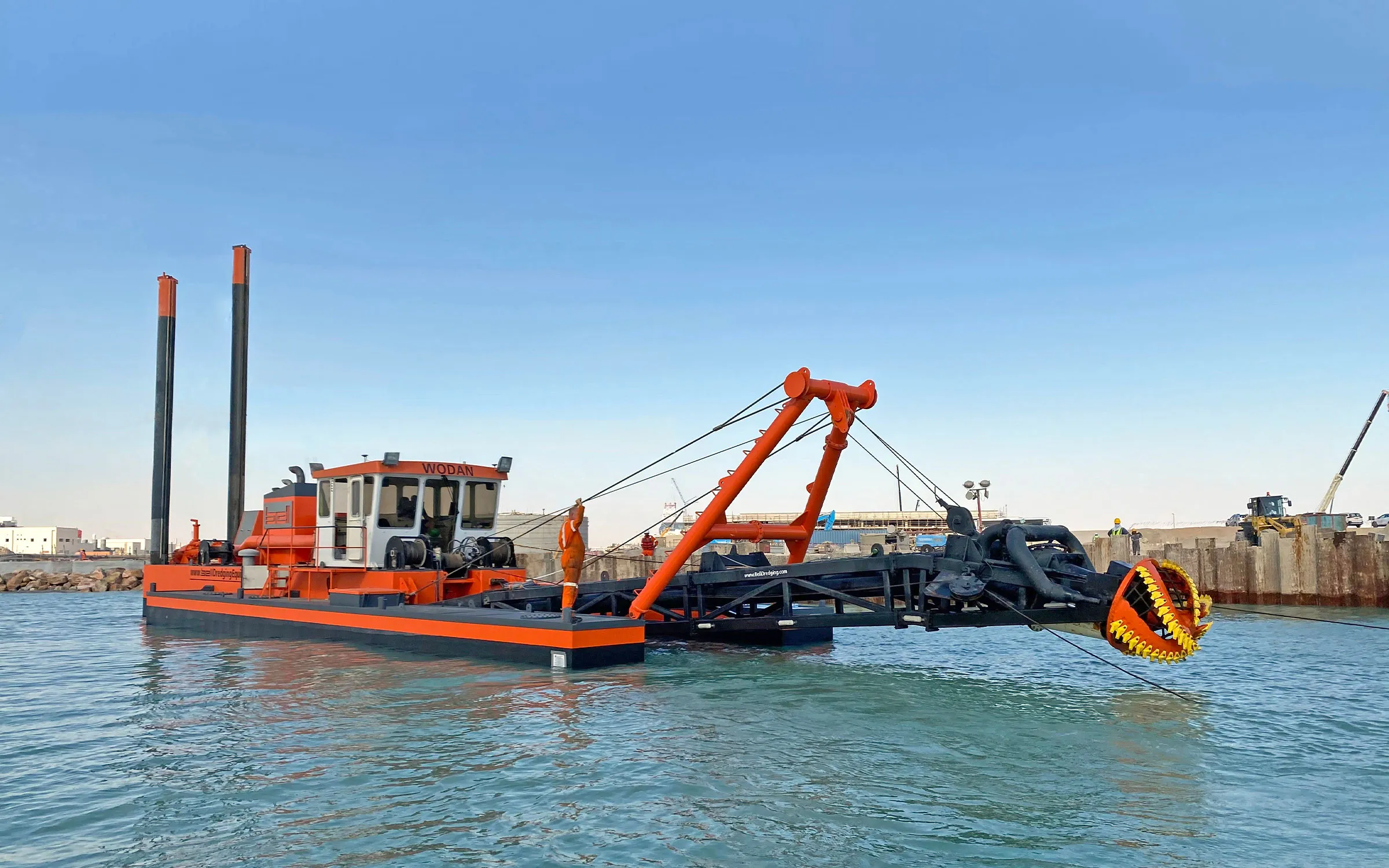
    Bell Dredging cutter suction dredger 'Wodan' with orange and black hull, spud poles, and cutter head, operating in a harbor under a clear blue sky.

    Why is dredging necessary?

    Waterways don’t stay the same depth on their own. Rivers carry sediment downstream, harbours accumulate silt from tidal movement, and reservoirs slowly lose storage capacity as sand and debris settle on the bottom. Left unmanaged, this leads to reduced shipping depth, higher flood risk, and declining water quality. Dredging is the process of removing that material and, where needed, relocating or repurposing it.

    There are several reasons why organisations start a dredging project:
    • Maintaining safe navigation: ports, canals and rivers need a guaranteed depth for vessels to pass safely.
    • Flood prevention: silted-up riverbeds and reservoirs reduce water storage and discharge capacity, increasing flood risk during heavy rainfall.
    • Water quality and ecosystem restoration: removing contaminated or oxygen-poor sediment improves conditions for aquatic life.
    • Land reclamation and construction: dredged sand and soil are often reused for land reclamation, beach nourishment or construction projects.
    • Resource extraction: sand and gravel mining relies on dredging equipment to extract raw materials from riverbeds, lakes or offshore deposits.
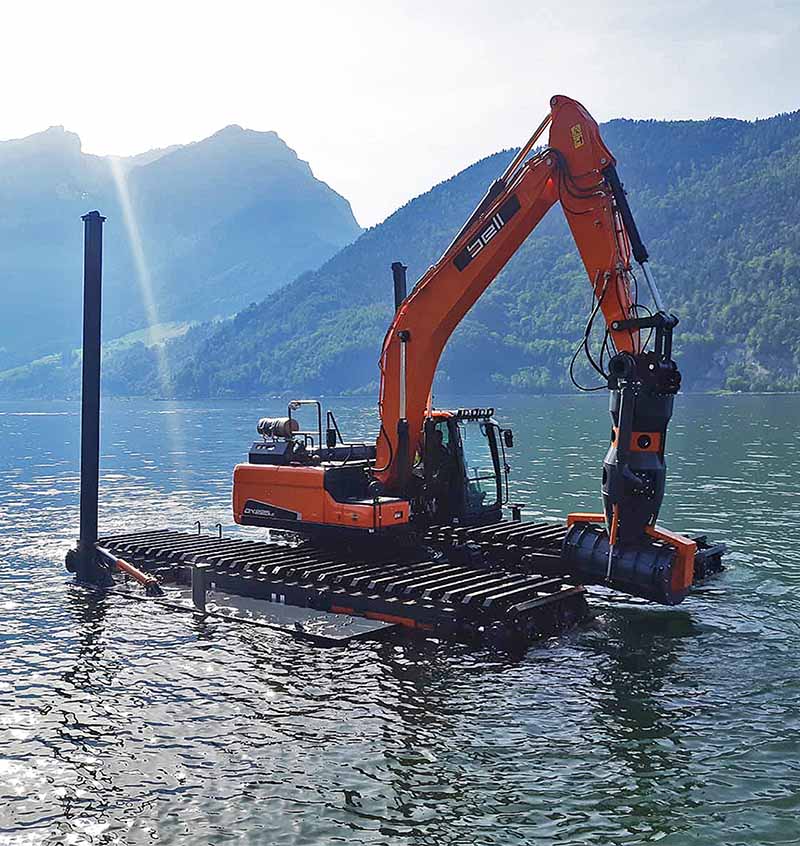
    bell-excavator-spuds

    How to plan a dredging project

    Every dredging project is different, but the equipment choice usually comes down to the same set of questions. Working through them first makes it much easier to match the right dredger or pump to the job.

    • What is the purpose of the project? Maintenance dredging, land reclamation, sand and gravel mining, environmental restoration and offshore works each call for a different approach and depth capability.
    • How much material needs to be moved? The total volume and the depth of the sediment layer determine the required pump capacity and production rate.
    • What type of soil are you dredging? Loose sand, clay, silt, gravel or compacted soil each require a different dredge head. Bell’s interchangeable heads, including sand production heads and double cutter heads, are built to switch between these conditions.
    • How much time is available? A tight project window may call for higher-capacity or multiple units running in parallel, while a long-term maintenance contract may favour a rental solution.
    • What are the site conditions? Accessibility, water depth, distance to the discharge location, and any environmental restrictions all influence whether an amphibious excavator, an A-frame dredger or a cutter dredger is the better fit.

    Not sure which combination applies to your project? Get in touch with one of our specialists and we’ll help you work it out.

    Which equipment is used for dredging?

    There is no single machine that handles every dredging job. The right equipment depends mainly on soil type, required depth, and site access, which is why Bell offers several product lines rather than a one-size-fits-all solution.

    • Cutter suction dredgers: mounted dredge pumps with a rotating cutter head that breaks up and removes compacted soil, sand or clay.
    • A-frame dredgers: a Bell pump suspended from a floating, moored platform, suited to projects with virtually no limit on dredging depth.
    • Amphibious excavators: track-mounted excavators that operate directly in shallow water, mud or marshland where a conventional dredger cannot reach.
    • Submersible dredge pumps: fully submerged pumps for precise, high-capacity sediment extraction.
    • Booster stations: used to pump dredged material over longer distances when the discharge point is far from the dredging site.

    Most projects combine two or more of these. A harbour maintenance job, for example, often uses a cutter suction dredger together with a booster station to move material to an onshore disposal site.
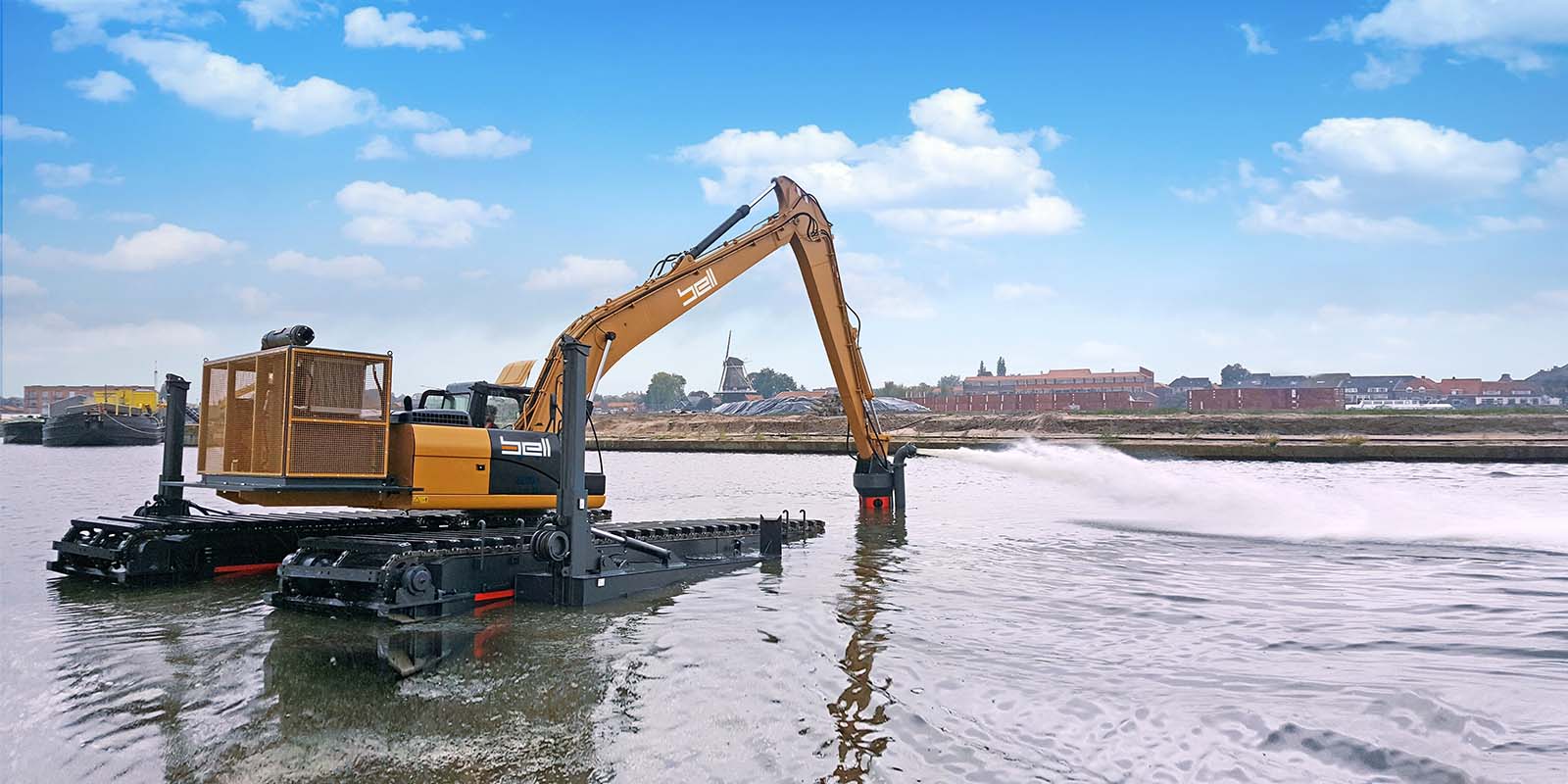
    Amphibious Bell excavator mounted on pontoon floats performing dredging operations in a river, spraying water and sediment through a nozzle attachment, with a windmill and town buildings visible in the background under a blue sky.
    Bell Dredging Pumps cutter suction dredger operating on a calm waterway, with an orange and grey vessel featuring a cabin, crane arm, and submerged cutterhead, surrounded by dense green trees along the shoreline.

    Common dredging applications

    Dredging shows up in very different settings, from busy commercial harbours to quiet inland lakes. The equipment that fits best usually depends on the setting as much as the soil type.

    • Lake dredging: lakes silt up gradually as sediment, nutrients and organic matter settle on the bottom, reducing depth, harming water quality and limiting recreational use. Restoring a lake typically calls for a combination of equipment: cutter suction dredgers for compacted material, submersible pumps for precise removal in deeper sections, and amphibious excavators for shallow edges or wetland areas.
    • Harbour and port maintenance: keeping shipping channels at the required depth as sediment continuously builds up from tidal movement and vessel traffic. Cutter suction dredgers and submersible pumps are the usual combination, often paired with a booster station where material has to travel further to reach the disposal site.
    • River and dam maintenance: preserving navigability and discharge capacity around rivers and dams. Hydraulic dredge pumps handle large-scale sediment removal, while A-frame dredgers and amphibious excavators reach confined stretches and dam edges that larger equipment cannot access.
    • Reservoir dredging: restoring water storage capacity lost to years of sediment build-up, which is essential for hydroelectric dams and irrigation systems. This work usually combines cutter suction dredgers with submersible pumps and, for longer transport distances, a booster station and discharge pipeline.
    • Environmental dredging: removing contaminated or oxygen-poor sediment to restore water quality and protect aquatic ecosystems, often in industrial or urban areas. Submersible dredge pumps allow precise, controlled removal with minimal disturbance to the surrounding sediment.
    • Sand, gravel and mineral mining: extracting raw material directly from riverbeds, lakes or offshore deposits using heavy-duty dredge pumps and interchangeable cutter heads suited to abrasive or compacted material.

    Most projects combine two or more of these approaches. Not sure which combination fits your situation? Get in touch with one of our specialists.

    Not sure which dredger fits your project?

    Choosing the right equipment makes the difference between an efficient project and a costly delay. Bell Dredging Pumps designs and builds dredgers, dredge pumps and amphibious excavators in-house, and our team is happy to think along with you, whether you’re planning a one-off job or a long-term maintenance contract. Equipment is available both for sale and for rent. Contact us to discuss your project and find the right solution.