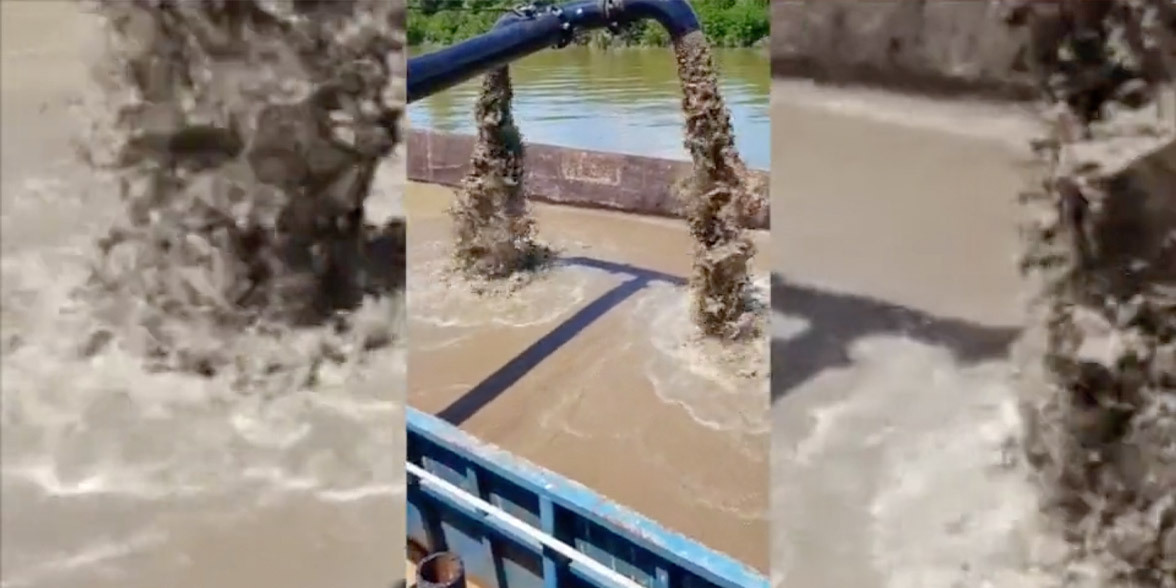
Bell Dredge Pumps are used by mining companies all around the world, because our pumps are also particularly suitable for pumping sand, gravel and clay. Due to the pump’s inlet being inside the rotating cutter crown, suction force is focused and the inlet velocity is high. As a result, bigger particles can be easily picked up and pumped away.

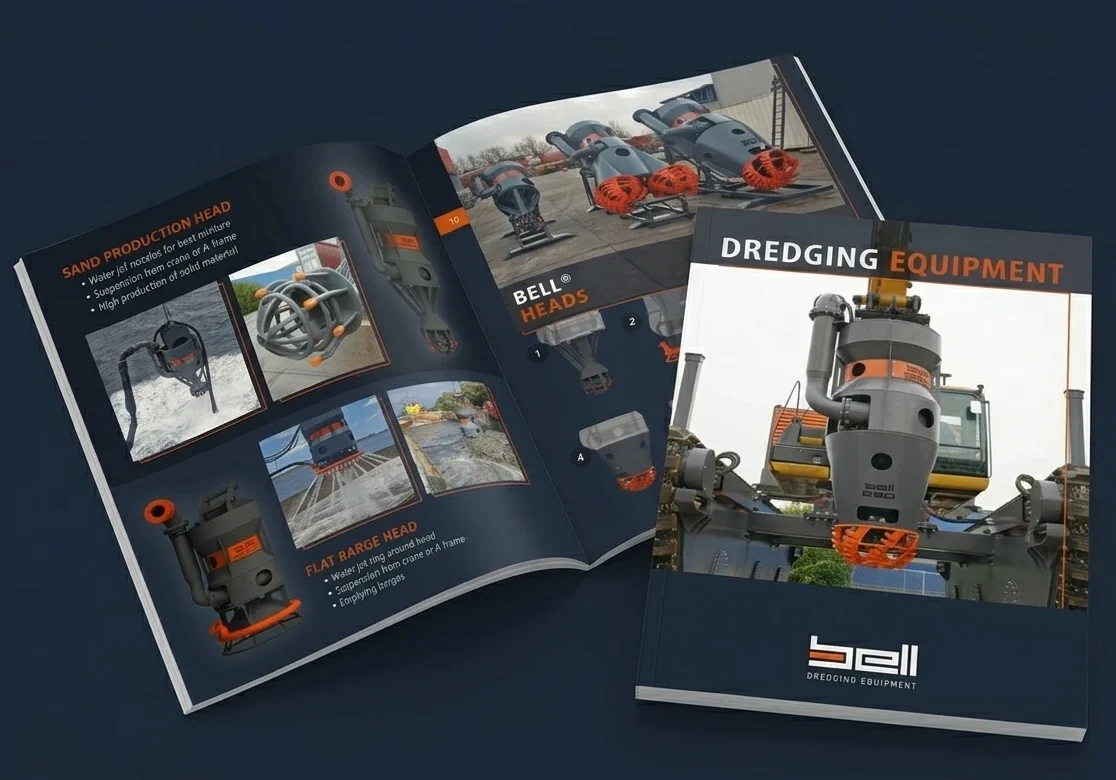
A sand mining pump moves a mixture of water and solids, so the size of the pump sets how much you produce per hour. The Bell 250 handles up to 1,250 m³/h of mixture and the Bell 400 up to 3,500 m³/h. For sand, a common set-up is a Bell pump with a sand production head. Water jet nozzles in the head create a good mixture, and the unit hangs from a crane or an A-frame.
Which machines you need depends on the deposit, the depth and the distance from the pit to the stockpile or plant. Bell builds four types of sand mining equipment:
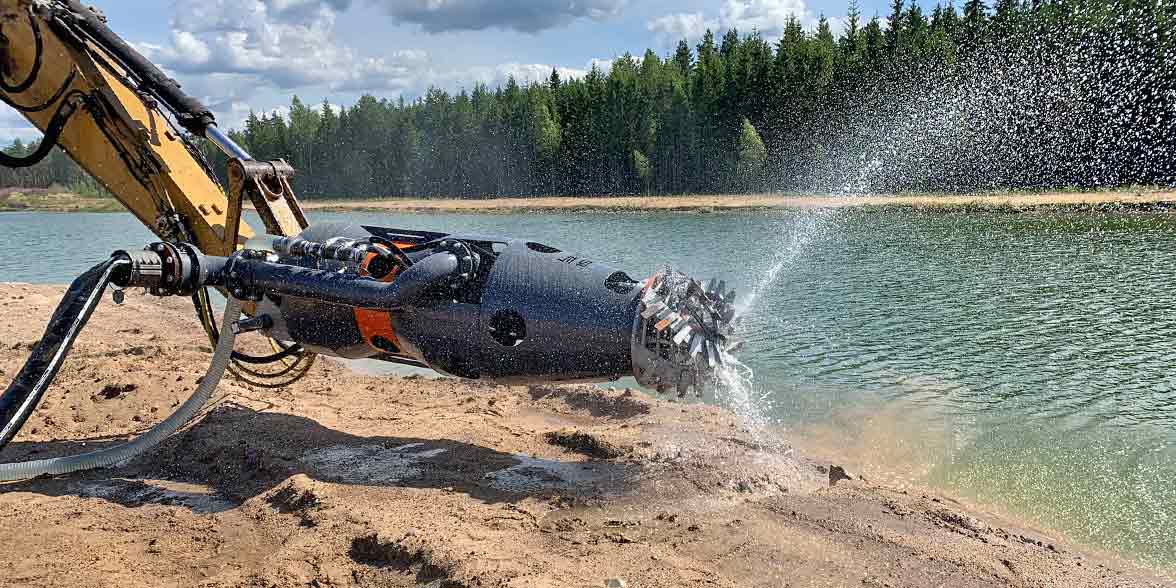
Gravel is harder on a pump than sand, because the stones decide whether the pump clogs. Check the spherical passage first. This is the largest particle the pump can pass: 50 mm on the Bell 100, 75 mm on the Bell 150, 125 mm on the Bell 200, 130 mm on the Bell 250, 155 mm on the Bell 300 and 210 mm on the Bell 400. Pick the pump on stone size, then look at capacity.
Loose gravel can be pumped with a sand production head. For gravel that is packed or mixed with clay, a cutter head or double cutter head breaks the material up before it reaches the inlet. Bell sells and rents this equipment.
Clay has to be cut before it can be pumped. The water jet assisted cutter head works on compact layers of sand and clay. The water jet assisted double cutter head, with double cutter power, is meant for harder material. Both are fitted to a Bell pump. The cutter head is mounted on a crane or a ladder, and the double cutter head can also hang free from a cable.
Four questions narrow down the choice.
Not sure which combination fits? Tell us the material, the depth and the site and we will help you work it out.
Start with the hourly volume you want to move. Mixture capacity runs from 300 m³/h on the Bell 100 to 3,500 m³/h on the Bell 400. Then check the stone size against the spherical passage, and the hydraulic power you have on site.
Yes, within the spherical passage of the pump. A Bell 250 passes particles up to 130 mm and a Bell 400 up to 210 mm. Stones above that size need a larger pump.
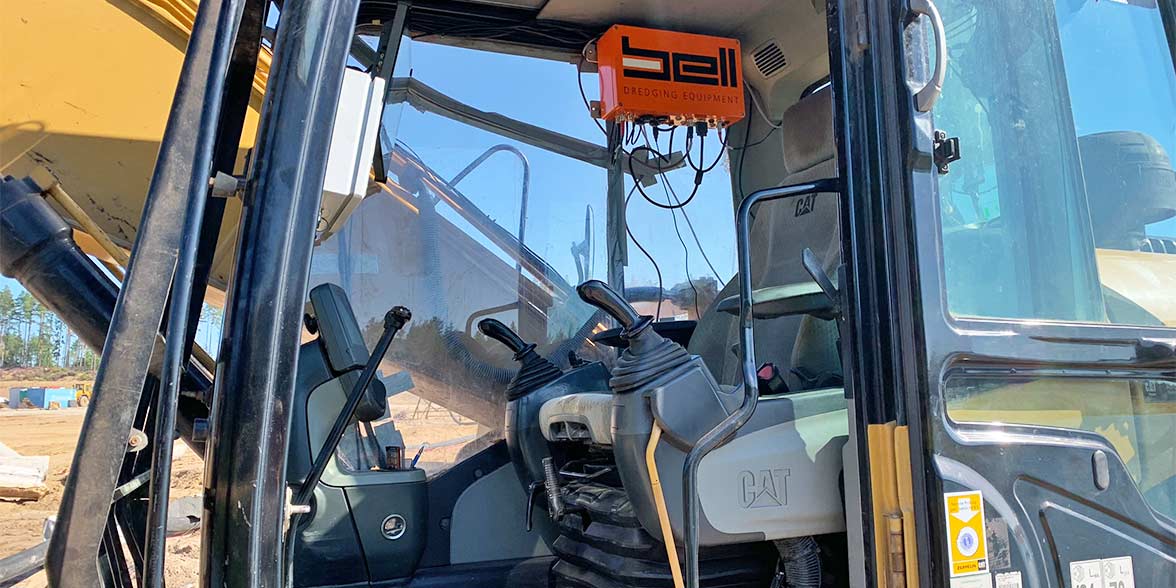
It depends on the pump. A hydraulic Bell 250 needs up to 475 L/min at up to 250 bar. The Bell 400 needs up to 1,000 L/min at up to 300 bar. Electric versions are available as well.
Yes. Bell offers rental options for its mining equipment. Send us your material, depth and site conditions and we will tell you what is available.